In the world of cybersecurity, breaches are often attributed to "human error." But this phrase oversimplifies a deeper and more important truth: most successful cyberattacks are designed not to break systems, but to trick people.
In fact, over 90% of successful cyberattacks begin with social engineering, most commonly in the form of phishing emails. These attacks don't rely on brute-force hacking. They rely on psychology.
So let's dig into why humans click, how attackers manipulate behavior, and what security training must do differently if we want to stay safe.
The Myth of "Common Sense"
Many organizations treat cybersecurity as a matter of common sense: "Don't click on strange links." "Don't open unexpected attachments." But social engineering doesn't rely on users being "dumb". It relies on users being human.
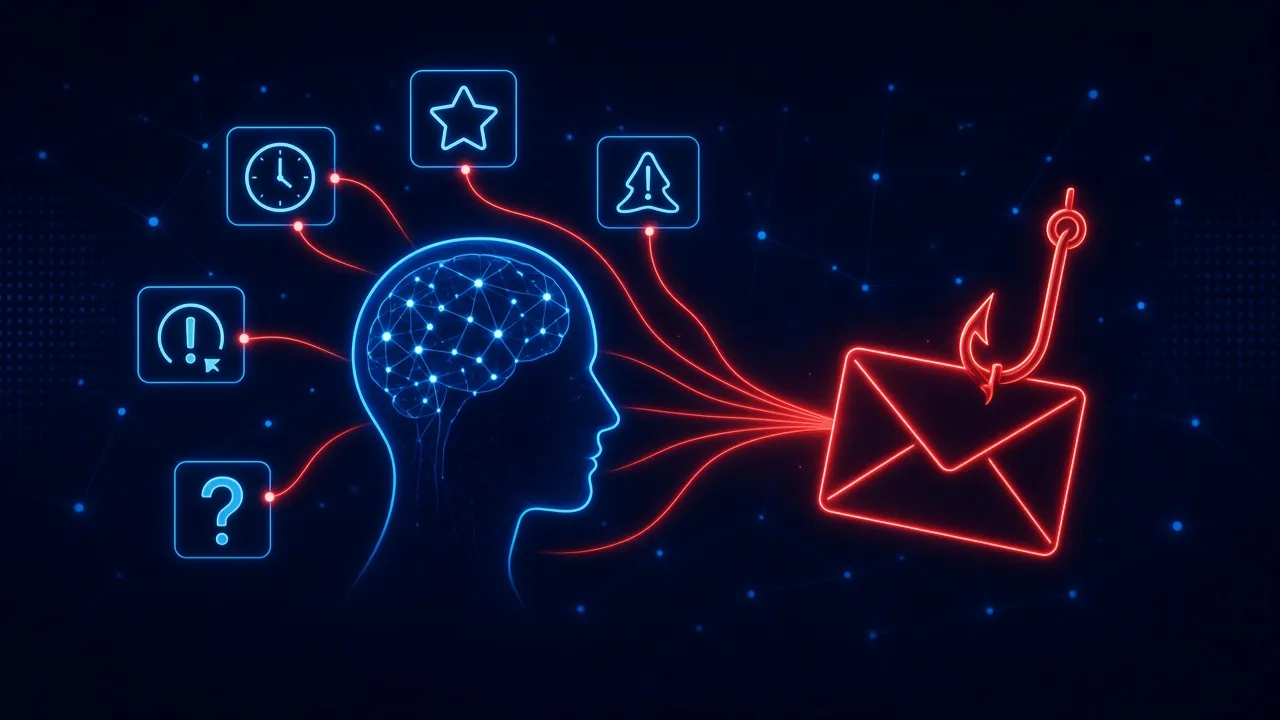
Attackers craft messages that create urgency, fear, trust, or curiosity. They mimic authority figures, imitate internal tools, and prey on habits. For example:
"Your payroll information is incomplete. Submit within 24 hours to avoid delays."
"We noticed a login attempt from an unknown device. Click here to verify."
"Hey, can you send me the W-2 files real quick? I'm in a meeting."
Each of these plays on natural instincts: fear of losing money, the desire to protect one's account, or the willingness to help a boss or coworker.
In short: attackers hack emotions, not systems.
Why Shame Makes It Worse
Most traditional training solutions rely on a pass/fail system. Users are tested, phished, and then "scored." If they fail, they're either reprimanded or required to go through generic re-training. This has two major consequences:
It creates fear and silence. Employees become hesitant to report suspicious emails because they don't want to be blamed for falling for one.
It kills curiosity. When users are told they "should have known better," they stop asking questions
The result? A culture where threats go unreported, learning stops, and employees feel alone in defending themselves.

The Science of Behavioral Triggers
Cybercriminals study human behavior. Many phishing campaigns are backed by psychological principles that exploit:
- Urgency (limited time offers, account lockouts)
- Authority (emails "from HR" or "the CEO")
- Scarcity ("Only 2 seats left, confirm now")
- Social proof ("Others in your department have completed this form")
These tactics aren't just effective. They're incredibly scalable. One well-written phishing template can trick hundreds or thousands of employees.
Most cyberattacks don't rely on cracking code. They rely on cracking human behavior. Hackers understand that fear, urgency, and trust are far more effective tools than brute force. That's why real cybersecurity starts with understanding how people think, not just how systems work.
Good training must not only teach people what to look for, but also why they fall for it in the first place. It must reframe mistakes as opportunities to understand the psychology behind attacks.
How to Train the Brain, Not Just the Rules
Effective cybersecurity training should take inspiration from behavioral science and learning psychology. That means:
- Contextual learning: training in the moment, based on real actions (e.g., simulated phishing)
- Microlearning: short, focused lessons that fit into workflows and reinforce key concepts over time
- Positive reinforcement: reward users for improvement instead of punishing them for mistakes
- Empathy and storytelling: show how real people fall for attacks, and how they recovered
By moving away from fear-based training and toward empowering education, organizations can build confidence instead of compliance.
How SavvyShield Applies These Principles
At SavvyShield, we've built our training platform around how people actually learn and behave in high-pressure situations. Instead of relying on outdated, one-size-fits-all approaches, our system uses real-world attack simulations to reflect the tactics that hackers are using right now. When a user interacts with a simulated threat, they receive instant, contextual feedback in the form of a short, relevant lesson, delivered in the moment, not weeks later.
We don't believe in punishing mistakes. Our platform is designed to remove fear and blame from the learning process, creating a space where users feel safe asking questions, sharing experiences, and improving continuously. Each user's training adapts over time, responding to their unique patterns and vulnerabilities. This means that the more someone interacts with the system, the smarter and more personalized their learning experience becomes.
To ensure the training stays relevant, SavvyShield uses AI to automatically update content based on emerging threats. This keeps employees prepared for the kinds of attacks they're most likely to face, not just outdated examples. The result is a culture where learning is ongoing, engagement is high, and people feel empowered to act confidently when it matters most. It is one part of a broader approach to human risk management that treats behavior, not awareness, as the outcome that matters.
Conclusion
Cybersecurity isn't about making people perfect. It's about making them prepared. By understanding the psychology behind breaches, we can stop blaming users and start empowering them. Because when humans become your first line of defense, your organization becomes truly secure.