As our digital defenses grow more advanced, the weakest point in any system remains unchanged: people.
Despite breakthroughs in cybersecurity tools, social engineering continues to exploit human trust, making it the most persistent and costly threat we face.
"No matter how robust our technological defenses, the human factor remains the weakest link in the chain of security."
In an age where technology continues to advance at a breathtaking pace, our technical ability to protect financial and personal assets in our digital world has never been stronger. From cutting-edge encryption methods to sophisticated cybersecurity frameworks, the tools at our disposal are more powerful than ever. However, despite these technological marvels, one critical vulnerability remains stubbornly resistant to technological fixes: the human element.
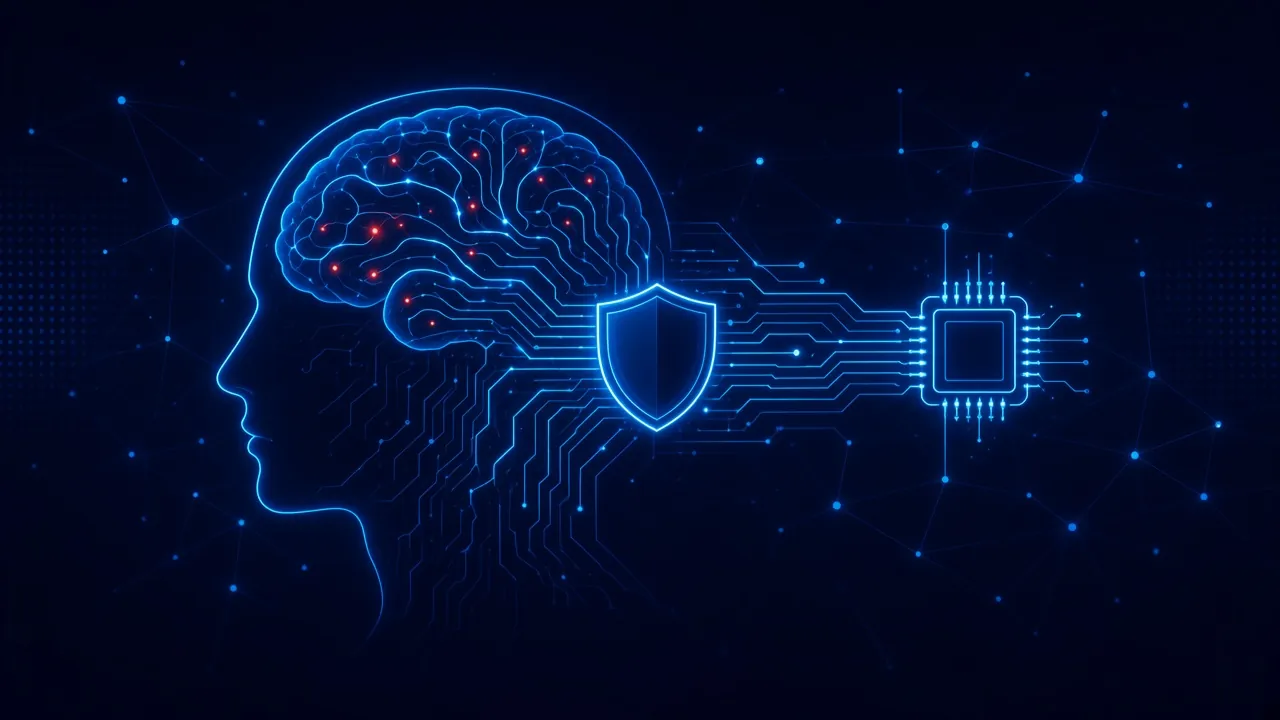
The Human Weakness
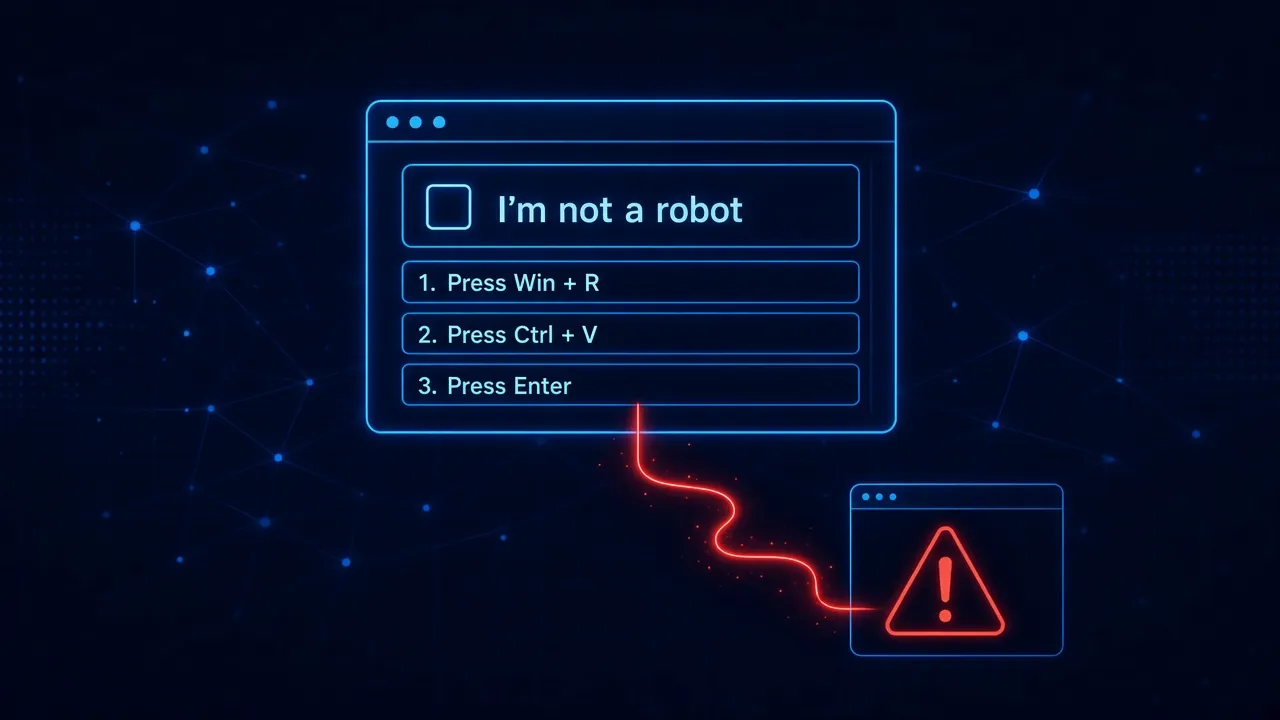
No matter how robust our technological defenses, the human factor remains the weakest link in the chain of security. Social engineering, the art of manipulating people into divulging confidential information, exploiting their trust, and ultimately compromising security, has proven to be a persistent and formidable threat.
Social engineers rely on psychological manipulation rather than technical hacking to gain access to sensitive information. This approach is devastatingly effective because it targets the natural human tendency to trust, cooperate, and follow authority.
The Quantifiable Nature of Social Engineering
The impact of social engineering is not just anecdotal; it is quantifiable. According to a report by the FBI, in 2020 alone, cybercrime, including social engineering attacks such as phishing and pretexting, resulted in losses exceeding $4.2 billion in the United States. These attacks often prey on human emotions such as fear, curiosity, and greed, making them difficult to defend against with traditional security measures.
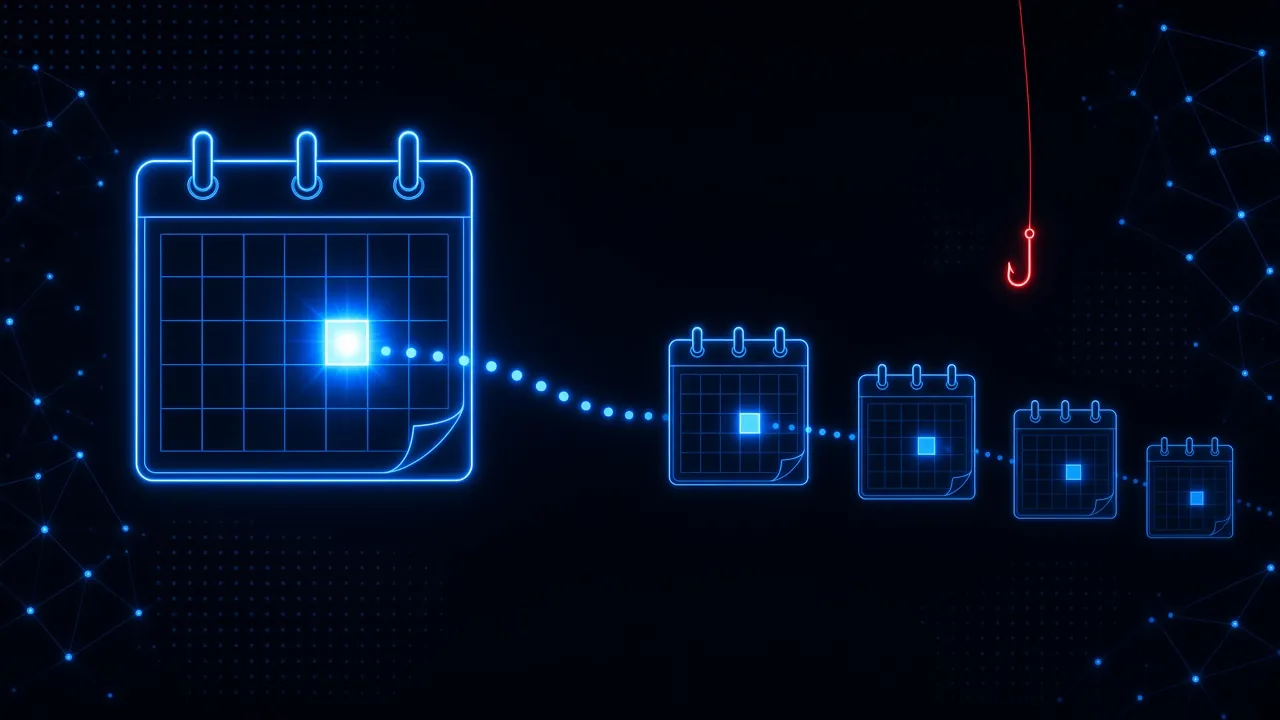
But we can do more than just quantify the costs, we can find the patterns on how these attacks are carried out. Quantifying social engineering involves understanding the patterns and tactics used by attackers. For instance, phishing emails might be analyzed for common themes, sensational linguistic patterns, or specific triggers that prompt users to click on malicious links. By studying these elements, we can can develop better defenses and train individuals to recognize and resist these manipulations.
AI: The New Frontier in Combating Social Engineering
Advancements in artificial intelligence (AI) offer a promising solution to the problem of social engineering. AI can process vast amounts of data at incredible speeds, identifying patterns and anomalies that would be impossible for humans to detect in real time. Here's how AI is being harnessed to address this issue:
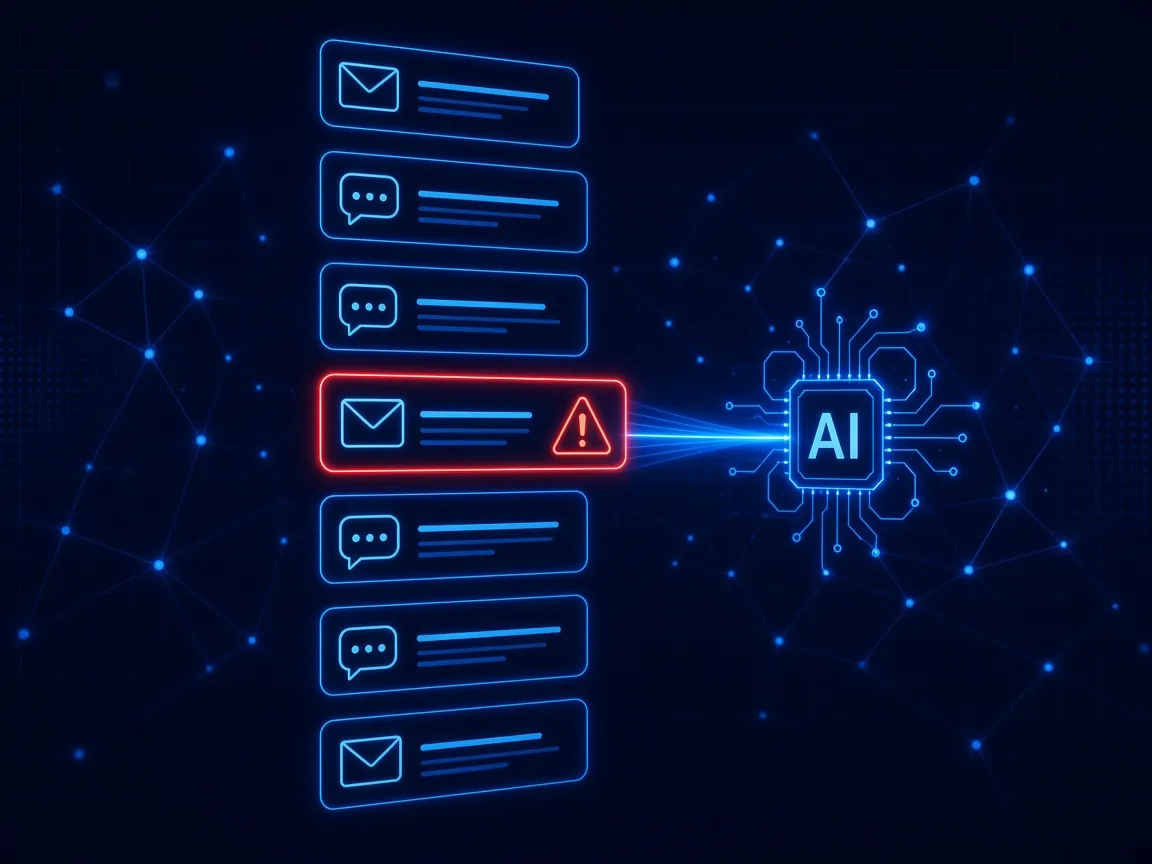
"AI can leverage predictive analytics to forecast potential social engineering attacks"
1. Behavioral Analysis
AI can monitor user behavior to establish a baseline of what constitutes normal activity. By continuously analyzing deviations from this norm, AI can detect potential social engineering attacks in progress. For instance, if a potential victim suddenly receives an unusual number of email requests for sensitive information, AI can flag this as suspicious and trigger further investigation.
2. Natural Language Processing (NLP)
NLP, a subset of AI, enables machines to understand and respond to human language. This technology can be used to analyze the content of emails, messages, and phone calls for signs of social engineering. By identifying common phrases, tone, and context associated with phishing attempts or scam calls, NLP can help in filtering out malicious communications before they reach their intended targets.
3. Predictive Analytics
AI can leverage predictive analytics to forecast potential social engineering attacks. By analyzing historical data and identifying trends, AI can predict when and how an attack might occur. This proactive approach allows individuals and organizations to implement preventative measures, such as targeted training and eucation precisely when they are needed most.
4. Automated Response Systems
AI-driven automated response systems can react to potential social engineering threats faster than any human. These systems can isolate compromised accounts, block suspicious emails, and even simulate interactions with attackers to gather intelligence, all within moments of detecting an anomaly.
Training and Awareness: The Human-AI Partnership
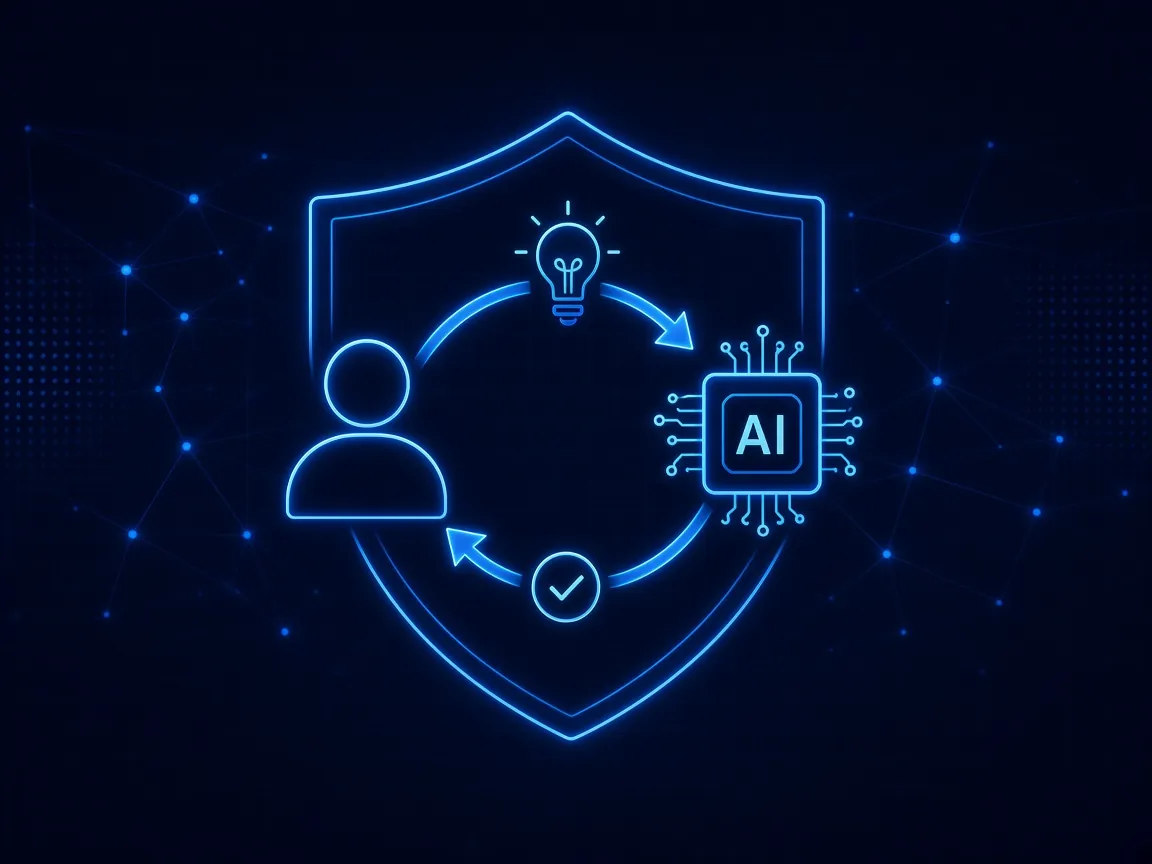
While AI represents a powerful tool in the fight against social engineering, it is not a silver bullet. The ultimate solution lies in a combination of advanced technology and human awareness. If AI tools can help foster this knowledge for us, we all will become more secure in the digital landscape. Continuous training programs that educate employees about the latest social engineering tactics are essential. When people are aware of the threats and know how to recognize and respond to them, they become an integral part of the defense mechanism.
Conclusion
As technology evolves, so too do the tactics of those who seek to exploit human vulnerabilities. Attackers now use the same technology defensively described here: AI-generated phishing attacks are more convincing and more scalable than anything that came before. Social engineering remains a significant threat to the security of our financial and personal assets. However, with the quantifiable nature of social engineering and the advancements in AI, we are now better equipped than ever to address this challenge.
By harnessing the power of AI to detect, analyze, and predict social engineering attacks, and by fostering a culture of awareness and vigilance, we can bridge the gap in our defenses. The human element may be the weakest link, but with AI as our ally, we can transform it into our greatest strength.